Mind vs Body
Pepper Scott
When Born to Run was first published, Terry was immediately interested in reading it. Anything connected to Native culture or Indigenous history always caught his attention, and Christopher McDougall’s exploration of the Tarahumara runners of Mexico fascinated him from the start.
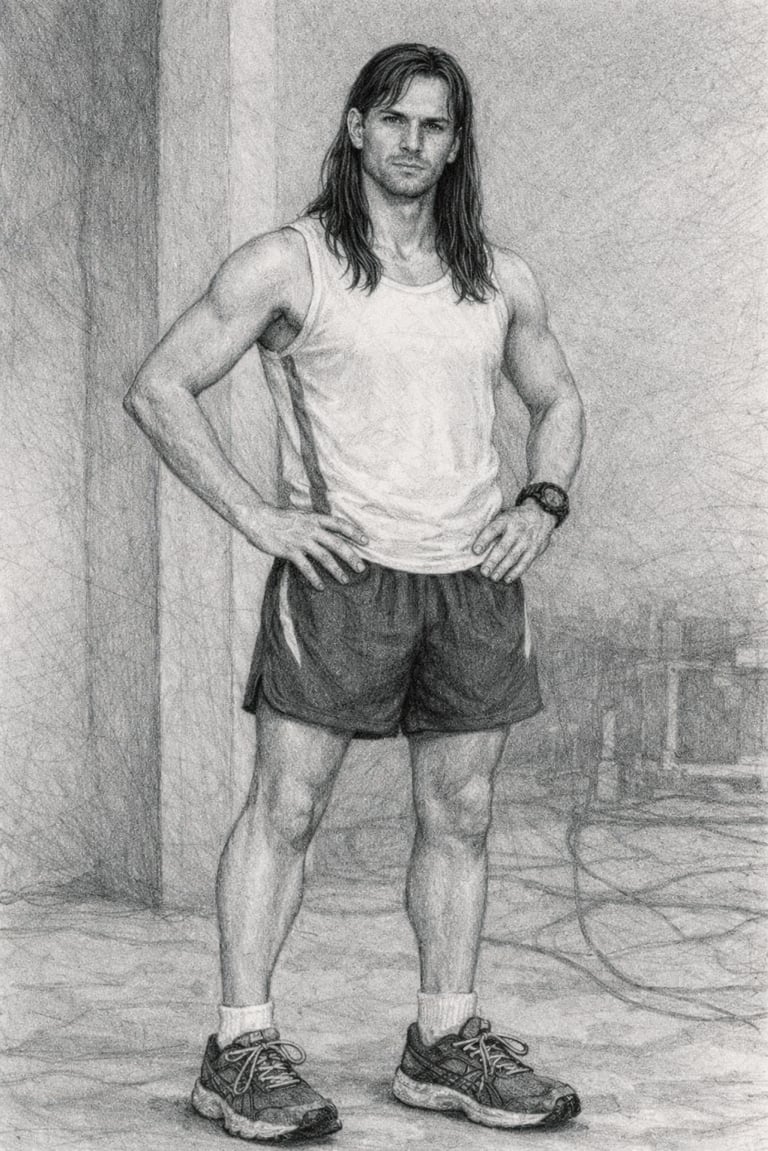
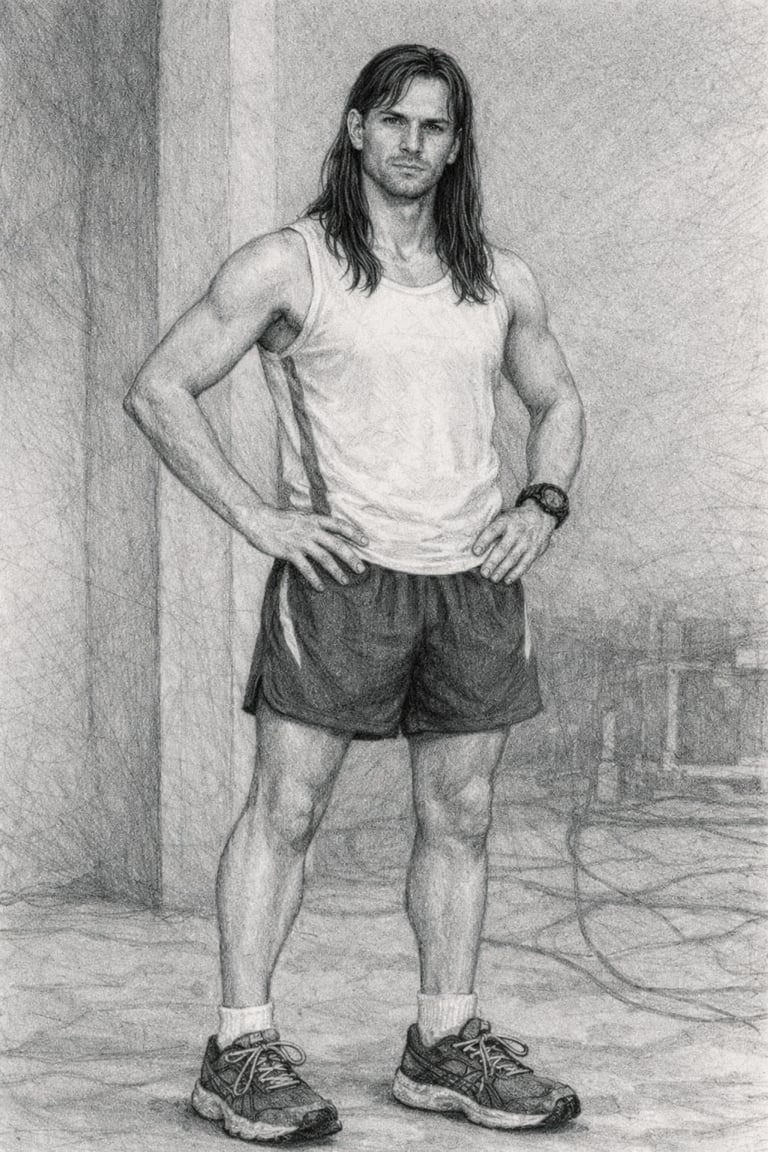
Long before multiple sclerosis changed his life, Terry was always moving. He played football, baseball, golf, and hockey. He loved scuba diving and horseback riding. If there was something adventurous or physical to try, Terry tried it. Just picture that man carrying wood on his shoulders, running through the lumber yard, bounding up the steps to build a senior centre. Movement was simply part of who he was.
By the time Born to Run was released, Terry had already been living with MS for seventeen years. He relied on a wheelchair for mobility by then, and yet his spirit remained astonishingly intact. He never defined himself by what he had lost.
One day, while we were talking about the book and the idea of running as something almost primal and deeply human, Terry quietly said, “I cannot walk or run, but I have not forgotten how to.”
I have carried those words with me ever since.
There was no bitterness in his voice. No self-pity. Only truth.
And somehow, I understood exactly what he meant.
The body remembers. The spirit remembers. Even when muscles weaken or mobility disappears, some part of us still holds the memory of freedom, movement, strength, and possibility. Terry may not have been able to physically run anymore, but the person who once ran across fields, played sports, rode horses, and explored the world still existed fully inside him.
That realization changed the way I understood Born to Run.
The book is often described as a story about endurance running, but for me it became something much deeper. It became a meditation on human resilience and identity. It asks what it means to be alive inside a body, and what remains when that body changes in ways we never expected.
Terry answered that question better than any author could.
Despite living with MS, he continued forward with humor, intelligence, creativity, and curiosity. His mind remained brilliant. His wit remained sharp. He adapted to life without surrendering himself to despair. He taught me that resilience is not always loud or dramatic. Sometimes it is simply the quiet decision to keep living fully with whatever remains.
When I think about Terry now, I do not think first about the wheelchair. I think about the fullness of who he was: adventurous, funny, intelligent, creative, and deeply alive.
And I think about those unforgettable words:
“I have not forgotten how to.”